 Skip to content
Mastering Vintage Car Detailing Noida: Preserving History Without Damage
The allure of a classic vintage car is undeniable. It’s more than just a mode of transport; it’s a piece of history, a work of art, and a testament to automotive craftsmanship from a bygone era. For owners of these magnificent machines, preserving their original glory is a passion, and this often leads to the critical question: how do you detail a vintage car without inadvertently causing damage? This guide delves deep into the specialized techniques, products, and philosophies required for effective and safe Vintage Car Detailing Noida, ensuring your prized possession continues to tell its story for generations to come.
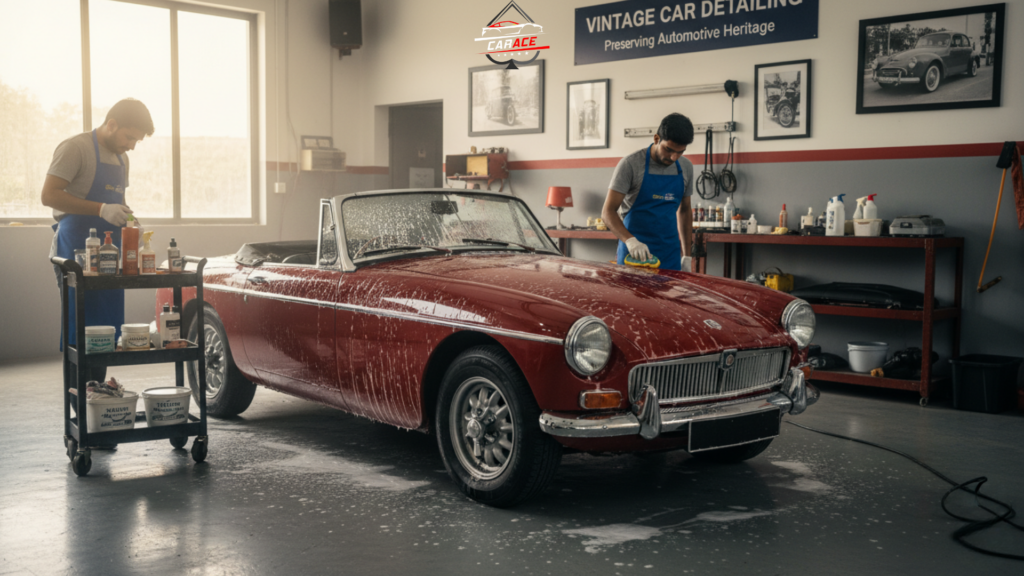
Traditional detailing methods, often designed for modern clear coats and robust materials, can be disastrous for older vehicles. Their delicate finishes, unique materials, and aged components demand an entirely different approach – one rooted in respect, patience, and specialized knowledge. This is where expertise in Classic Restoration becomes paramount, treating every surface with the reverence it deserves.
Why Vintage Cars Demand Special Attention
Unlike contemporary vehicles, classic cars are built from materials that have endured decades of sun, rain, and temperature fluctuations. Their paints are often thinner, their metals more susceptible to corrosion, and their interiors comprised of materials that are no longer common in manufacturing. Understanding these fundamental differences is the first step towards preventing irreversible damage during the detailing process.
The Fragility of History: Understanding Aged Materials
Imagine a car from the 1950s. Its paint could be single-stage lacquer or enamel, which is significantly softer and thinner than the multi-stage clear coat systems used today. This Sensitive Paint requires exceptionally gentle handling. Similarly, original chrome might be more prone to pitting and scratching, while interior fabrics, leather, and wood trims can be brittle or stained permanently. Each component tells a part of the car’s journey and needs to be treated with utmost care to avoid erasing its unique character. The goal isn’t just to make it clean; it’s to preserve its authentic patina and structural integrity.
Preserving Authenticity: More Than Just Shine
For collectors and enthusiasts, the originality of a vintage car is a significant part of its value and charm. Over-polishing, using harsh chemicals, or applying incorrect sealants can strip away original finishes, diminish historical value, and lead to a less authentic presentation. The detailing process for a vintage car isn’t about achieving a factory-fresh, flawless look in the modern sense; it’s about revealing and protecting its original beauty while respecting its age and history. This philosophy underpins every aspect of expert Classic Restoration.
Pre-Detailing Assessment: The Crucial First Step
Before any product touches your classic car, a thorough and meticulous inspection is non-negotiable. This initial assessment dictates the entire detailing strategy, identifying areas of concern and determining the most appropriate and safest methods.
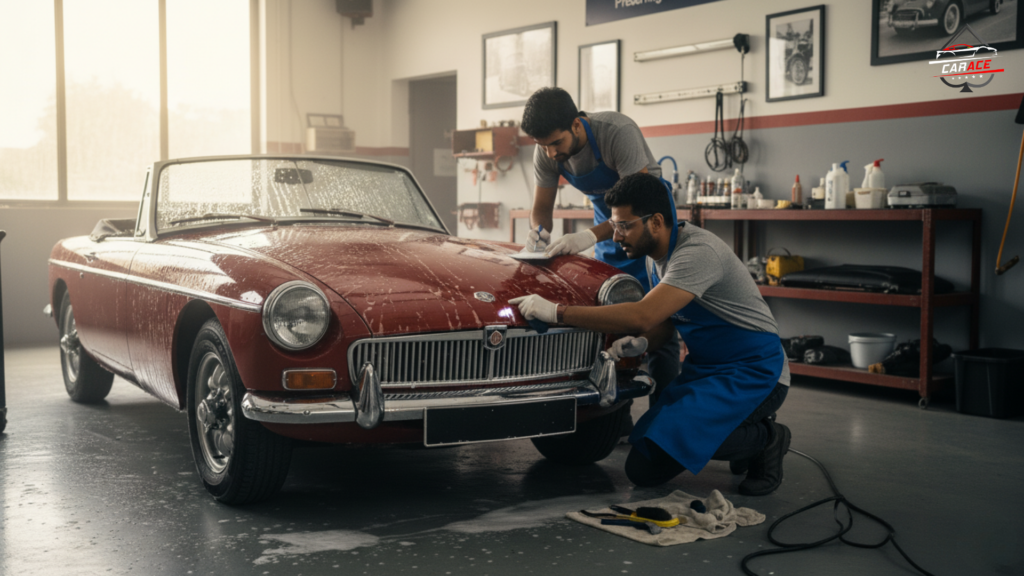
Thorough Inspection: What to Look For
Walk around the entire vehicle, inside and out. Document every scratch, ding, paint chip, rust spot, and area of wear. Pay close attention to:
- Paint Condition: Is it single-stage or multi-stage? Are there signs of previous repairs, swirl marks, or oxidation? Test a small, inconspicuous area to determine its hardness and responsiveness to gentle cleaning.
- Chrome and Trim: Note any pitting, flaking, or deep scratches. Is it actual chrome, polished stainless steel, or aluminum? Each metal requires a different approach to Chrome Polishing.
- Interior Materials: Identify the type of leather, fabric, wood, and plastic. Check for cracks, tears, fading, or brittleness.
- Engine Bay: Look for loose wires, exposed components, or areas particularly sensitive to moisture.
- Underbody: Check for excessive rust or areas that might shed debris when cleaned.
This detailed inspection creates a roadmap, allowing you to prioritize tasks and select the least invasive techniques.
Understanding the Car’s History: Research is Key
Knowing the car’s make, model, year, and any known restoration history can provide invaluable insights. For example, specific paint types were used during certain eras, and knowing this can guide your choice of cleaning agents and polishes. If the car has undergone a full restoration, understanding the materials used in that restoration can also inform your detailing approach. This research prevents assumptions and ensures a tailored, safe detailing plan.
Carace Heritage: A Philosophy of Preservation
At Carace Heritage, our approach to Vintage Car Detailing Noida is built on a foundation of respect for automotive history. We understand that each classic car has a unique story, and our mission is to preserve that narrative through meticulous and gentle care. Our team doesn’t just clean; we analyze, assess, and apply techniques that are specifically designed for the delicate nature of vintage materials. This isn’t merely detailing; it’s an art of preservation, rooted in the genuine desire to maintain the legacy of these extraordinary vehicles. Our comprehensive service ensures that whether it’s the gentle handling of Sensitive Paint or the precise art of Chrome Polishing, every step is executed with precision and a deep understanding of Classic Restoration principles.
Exterior Detailing: A Gentle Touch for Sensitive Paint
The exterior of a vintage car, particularly its paintwork, is often the most visually striking and simultaneously the most vulnerable component. Extreme caution is paramount to avoid micro-marring, etching, or even paint loss.
Washing Techniques for Sensitive Paint
The washing process for a vintage car is radically different from that of a modern vehicle. The primary goal is to remove loose dirt without abrading the delicate surface.
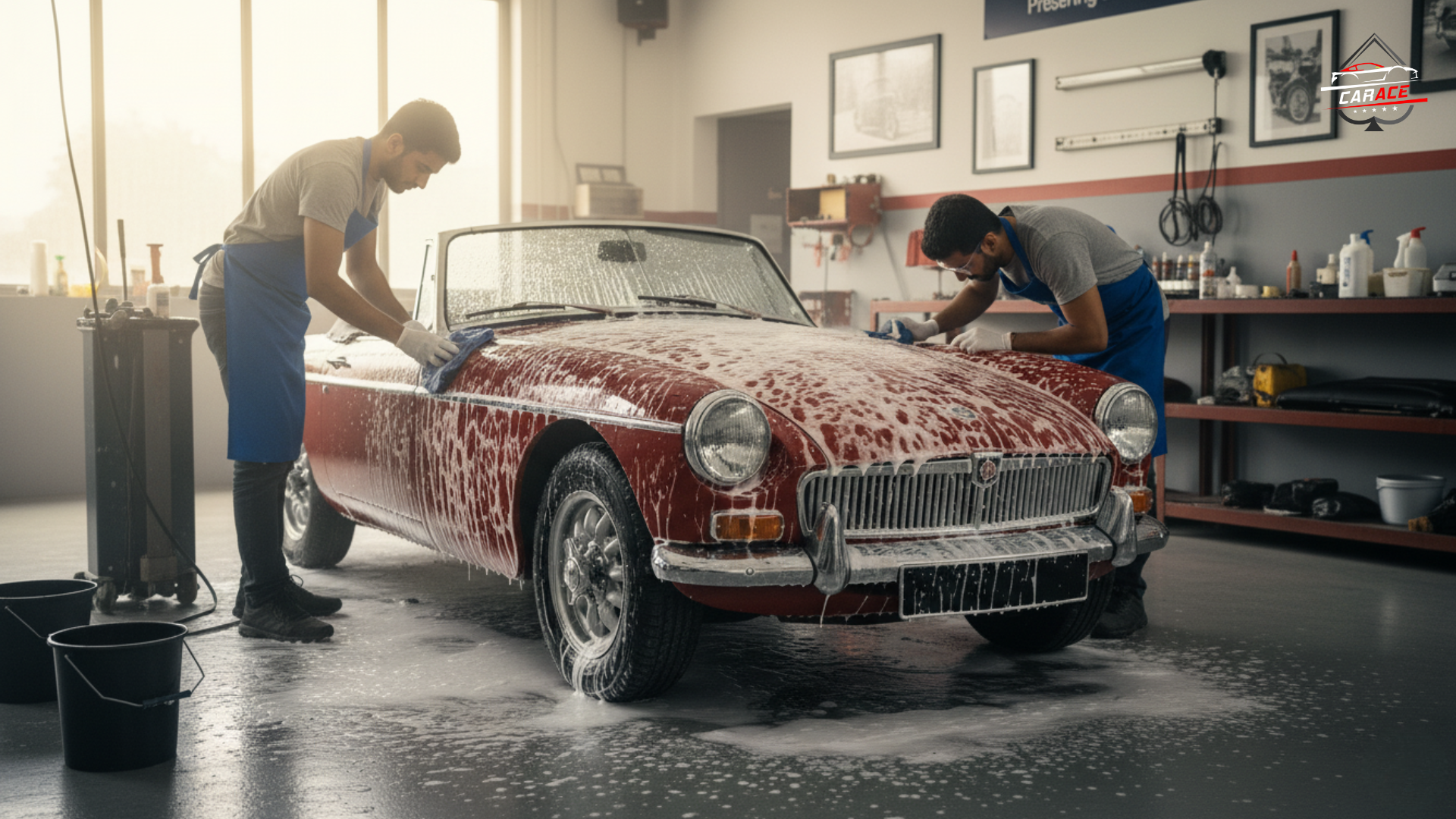
- The Two-Bucket Method is Essential: Use one bucket for rinse water and another for soapy water. This minimizes the transfer of grit back onto the paint.
- pH-Neutral Soaps: Always opt for high-quality, pH-neutral car shampoos that are specifically designed to be gentle. Avoid harsh detergents or dish soap, which can strip natural oils from old paint and hasten oxidation.
- Softest Wash Mitts: Use only ultra-soft, genuine lamb’s wool or microfiber wash mitts. Never use sponges or brushes that can trap grit.
- Low-Pressure Rinse: Use a low-pressure stream of water to rinse the car, especially before washing. High-pressure washers can force water into crevices, damage delicate trim, or even lift old paint.
- Wash in Sections: Work on small sections at a time, rinsing your mitt frequently in the rinse bucket. Start from the top and work your way down.
- Avoid Direct Sunlight: Wash the car in a shaded area to prevent soap from drying on the paint and leaving water spots.
- Gentle Drying: Pat dry with ultra-soft, clean microfiber drying towels. Never drag towels across the surface. Consider using a car blower for touchless drying on delicate areas.
Remember, for Sensitive Paint, less is always more when it comes to pressure and chemical strength.
Decontamination (Careful Clay Barring)
If contaminants like tar, tree sap, or industrial fallout are embedded in the paint, clay barring might be necessary. However, this is a highly sensitive process for vintage finishes.
- Assess First: Only clay if absolutely necessary and after a thorough wash.
- Fine Grade Clay: Use the finest grade detailing clay available. Aggressive clay can easily mar soft vintage paint.
- Generous Lubrication: Use an abundance of a dedicated clay lubricant. Never clay a dry surface.
- Light Pressure, Small Sections: Apply minimal pressure and work in very small, manageable sections. Fold and knead the clay frequently to expose a fresh surface.
- Post-Clay Inspection: Always inspect the area thoroughly after claying for any signs of marring.
For many vintage cars, especially those with original, delicate paint, chemical decontamination sprays might be a safer alternative to clay barring, as they dissolve contaminants rather than physically lifting them.
Paint Correction: The Art of Restoration (Not Just Polishing)
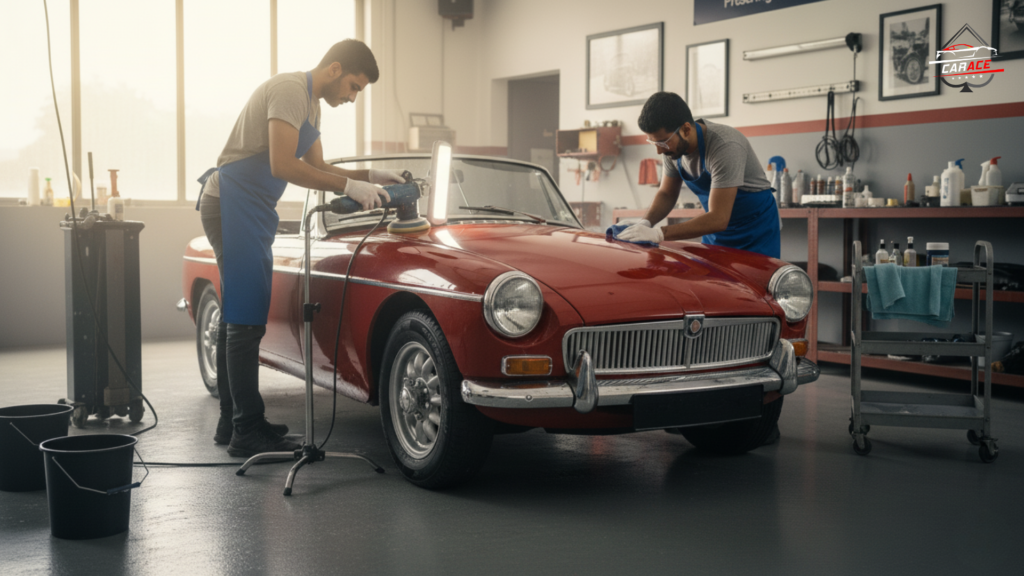
This is arguably the most critical and delicate aspect of detailing a vintage car. The goal of Classic Restoration in paint correction is not to remove every single imperfection but to safely enhance the clarity and depth of the existing finish without compromising its thickness or originality. This process demands expert skill, particularly when dealing with Sensitive Paint.
- Understanding Paint Types:
- Single-Stage Lacquer/Enamel: These paints contain color pigments throughout the layer and often lack a separate clear coat. They oxidize more easily and are incredibly soft. Aggressive polishing will remove color and thin the paint rapidly.
- Early Clear Coats: Some later vintage cars (late 70s-80s) might have early clear coats, which can also be softer and more prone to failure than modern ones.
- Minimalistic Approach: Always start with the least aggressive method possible. Often, a gentle polishing with a fine finishing polish is all that’s required to revive the gloss and address light oxidation.
- Gentle Compounds and Polishes: Use only ultra-fine finishing polishes designed for delicate paint. Avoid heavy cutting compounds entirely unless absolutely necessary and performed by a seasoned professional.
- Low-Speed Machines, Small Pads: If machine polishing is deemed safe and necessary, use a dual-action (DA) polisher on the lowest speed settings. Employ soft foam finishing pads (e.g., black or red pads). The heat generated by high speeds can quickly damage old paint.
- Paint Thickness Gauge: A professional detailer will use a paint thickness gauge to monitor the remaining paint thickness, especially in critical areas. This tool is invaluable in preventing over-polishing.
- Spot Correction: Focus on specific areas rather than attempting a full, aggressive correction across the entire vehicle.
For complex or deeply oxidized original paint, seeking professional help for Classic Restoration is highly recommended. Experts like Carace Detailing have the specific knowledge and tools to manage such delicate tasks.
Protection: Waxes and Sealants
Once the paint is clean and corrected, protecting it is crucial. The choice of protection can also vary for vintage vehicles.
- Natural Waxes (Carnauba): Many enthusiasts prefer natural carnauba waxes for vintage cars. They offer a warm, deep glow, are breathable (which can be beneficial for older paints), and often contain natural oils that condition the paint.
- Paint Sealants (Synthetic): Modern synthetic sealants offer longer durability and stronger protection. However, ensure they are breathable and don’t create a non-porous layer that could trap moisture or gasses under old paint. Always choose a product specifically tested for classic finishes.
- UV Protection: Regardless of choice, ensure your chosen product offers good UV protection to prevent further fading and oxidation.
- Application: Apply waxes or sealants thinly and evenly, following manufacturer instructions. Buff off gently with a fresh, soft microfiber towel.
Chrome Polishing and Trim Restoration: The Gleam of Yesteryear
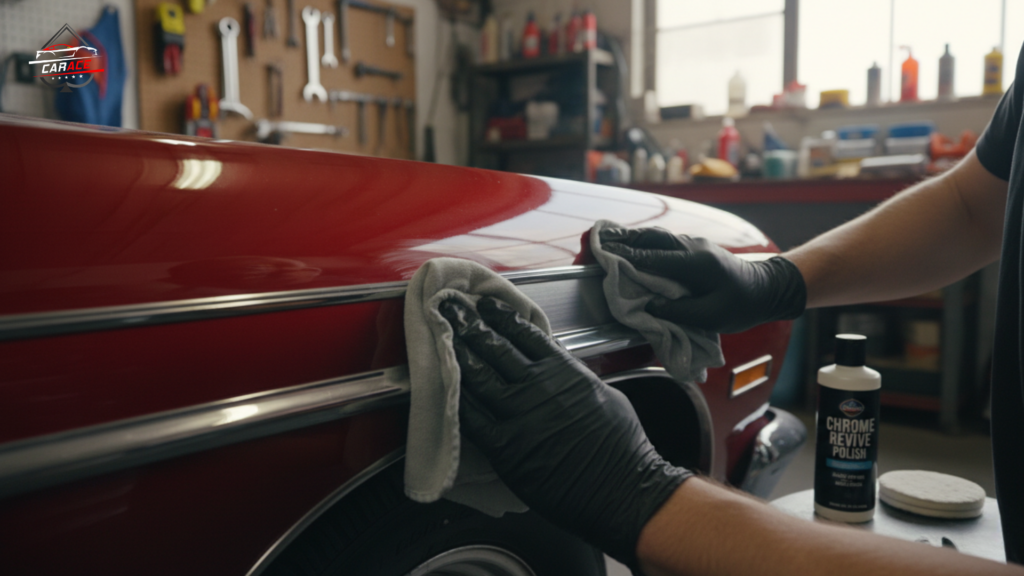
Chrome and other metal trims are defining features of many vintage cars, adding a touch of elegance and shine. Restoring their luster requires patience and the right products to avoid damage. This is where dedicated Chrome Polishing comes into play.
Identifying Chrome vs. Other Metals
It’s crucial to distinguish between actual chrome plating, polished stainless steel, polished aluminum, and nickel plating. Each metal reacts differently to polishes and cleaners.
- Chrome: Often found on bumpers, grilles, and trim. It’s a hard, shiny layer over steel.
- Stainless Steel: Used for trim, sometimes bumpers. It’s durable but can scratch.
- Aluminum: Found on wheels, engine components, some trim. Softer, can oxidize severely.
- Nickel: Pre-1930s often had nickel plating, which is softer and has a warmer hue than chrome.
A magnet can help distinguish steel (which chrome and stainless steel adhere to) from aluminum. A very mild abrasive polish in an inconspicuous area can also help distinguish.
Gentle Cleaning Methods
Begin by cleaning the trim thoroughly to remove loose dirt and grime.
- Soft Cloths: Use soft microfiber cloths dedicated for metal cleaning.
- Mild Cleaners: For general dirt, a gentle, pH-neutral car wash soap solution or a dedicated chrome cleaner (ensure it’s non-abrasive) is sufficient.
- Addressing Oxidation/Tarnish: For minor oxidation or tarnish, a very fine metal polish or a dedicated chrome polish can be used. Avoid steel wool or abrasive pads, which will scratch.
Specialized Polishes for Chrome
For actual Chrome Polishing, the key is to use non-abrasive or very mildly abrasive formulas.
- Cream-Based Polishes: These are generally safer. Apply a small amount to a soft applicator pad or microfiber cloth.
- Work in Small Areas: Rub gently in small circular motions or back and forth, depending on the trim’s shape.
- Buff Off: Use a clean, soft microfiber towel to buff to a shine.
- Avoiding Acid-Based Cleaners: Never use acid-based wheel cleaners or rust removers on chrome, as they can cause irreversible damage, pitting, or dulling.
Protecting Restored Chrome
Once polished, protect the chrome to prolong its shine.
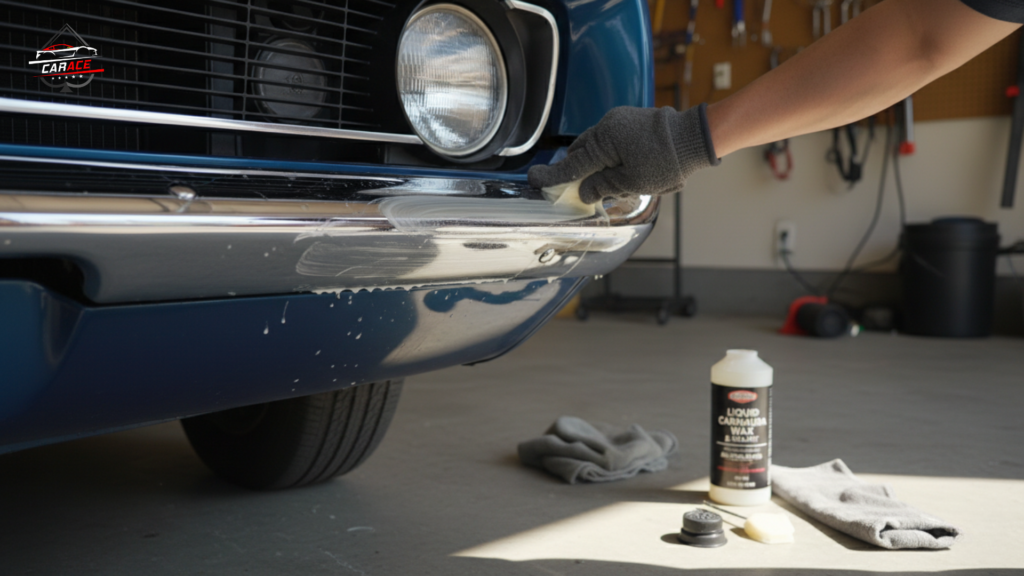
- Waxes/Sealants: Many carnauba waxes or synthetic paint sealants can also be safely applied to chrome and other polished metals. This adds a protective layer against environmental elements.
- Regular Maintenance: Regular gentle cleaning will keep chrome looking its best and reduce the need for aggressive polishing.
Interior Detailing: Preserving the Original Ambiance
The interior of a vintage car is a time capsule, showcasing original materials and craftsmanship. Preserving its authentic ambiance means treating each surface with the utmost care, avoiding harsh chemicals that can dry, crack, or bleach delicate materials.
Vacuuming with Care
- Low Suction: Use a vacuum cleaner with adjustable suction, opting for the lowest effective setting.
- Soft Attachments: Attach soft brush nozzles or crevice tools to avoid scratching leather, plastics, or wood trim.
- Careful Around Carpets: If carpets are original and brittle, lift and clean them with extreme care, or simply vacuum gently in place.
Upholstery Cleaning: Leather and Fabric
This is a high-risk area for damage due to age and material degradation.
- Leather:
- Identify Type: Determine if it’s original untreated leather, aniline, semi-aniline, or coated leather. Original leather is often much more delicate.
- pH-Neutral Cleaners: Use only dedicated, pH-neutral leather cleaners. Apply sparingly to a microfiber cloth, then gently wipe the leather. Never spray directly onto the leather.
- Avoid Harsh Solvents: Alcohols, ammonia, or petroleum-based cleaners will dry out and crack old leather.
- Conditioning: Follow with a high-quality leather conditioner to replenish moisture and protect against cracking. Choose conditioners that are not greasy or overly shiny.
- Fabric:
- Spot Cleaning: For stains, use a mild fabric cleaner designed for automotive interiors. Test in an inconspicuous area first.
- Avoid Saturation: Do not saturate fabric, as this can lead to mildew, odor, or damage to underlying padding.
- Steam (Very Carefully): A low-steam cleaner can be effective for sanitizing and lifting dirt from fabric, but use with extreme caution, maintaining distance and using minimal moisture.
Dashboards and Wood Trim
- Dashboards:
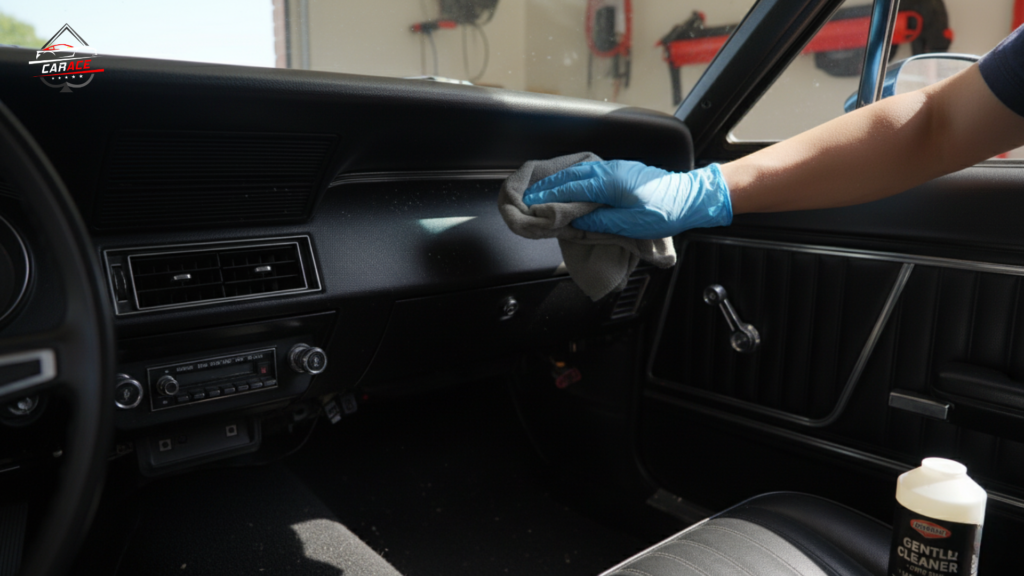
- Gentle Cleaners: For plastic, bakelite, or vinyl dashboards, use a mild interior cleaner or a damp microfiber cloth.
- Avoid Dressings: Skip silicone-based protectants that leave a greasy, shiny finish, as they can attract dust and dry out materials over time. Opt for a matte, UV-protective dressing if desired.
- Wood Trim:
- Dusting: Gently dust with a soft, dry microfiber cloth.
- Cleaning: For light grime, a slightly damp cloth is usually sufficient. Avoid water getting into cracks or lifting veneer.
- Restoration: Significant damage to wood trim usually requires specialized restoration, which is beyond general detailing.
Gauges and Controls
These are often delicate and irreplaceable.
- Soft Brushes: Use soft detailing brushes or cotton swabs with a mild interior cleaner to clean around knobs, switches, and gauge bezels.
- Plastic/Glass Cleaners: For gauge lenses, use a plastic-safe glass cleaner applied to a cloth, not sprayed directly. Avoid abrasives that can scratch.
Engine Bay Detailing: Functionality and Aesthetics
Detailing the engine bay of a vintage car is often about careful preservation rather than aggressive cleaning, particularly to avoid damaging sensitive electrical components or causing rust.
- Dry Cleaning Preferred: For most vintage engines, a dry cleaning approach is best. Avoid excessive water, especially on exposed wiring, carburetors, distributors, and fuse boxes.
- Compressed Air: Use low-pressure compressed air to blow away loose dust and debris.
- Gentle Brushing and Wiping: Use soft detailing brushes and microfiber cloths dampened with an all-purpose cleaner (diluted) to wipe down surfaces.
- Degreasers (Use with Caution): If degreasing is absolutely necessary, apply a mild, non-acidic degreaser directly to a cloth, then wipe the affected area. Rinse with a very lightly damp cloth.
- Protecting Hoses and Wires: Apply a non-greasy, UV-protective dressing to rubber hoses and plastic components to prevent drying and cracking.
The goal is to present a clean, functional engine bay without compromising its originality or causing electrical issues.
Wheels and Tires: The Foundation of Elegance
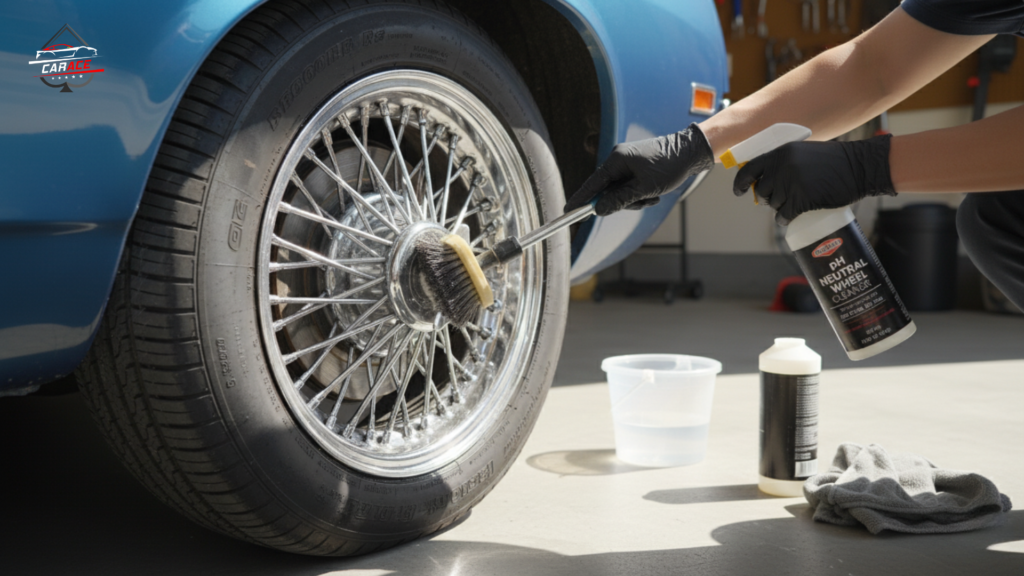
Vintage wheels and tires, whether wire wheels, painted steel, or early alloys, also demand careful attention.
- Wheel Types: Identify the material. Wire wheels, for example, require specific brushes to clean between spokes.
- Gentle Cleaners: Use pH-neutral wheel cleaners. Absolutely avoid acid-based cleaners, which can corrode chrome, aluminum, or clear coats on vintage wheels.
- Soft Brushes: Use soft-bristled wheel brushes and separate wash mitts for wheels to avoid transferring brake dust to paintwork.
- Tire Dressing: Apply a non-sling, water-based tire dressing that provides a natural, matte finish rather than a super-glossy look, which often doesn’t suit vintage aesthetics.
Tools and Products for Vintage Car Detailing
Investing in the right tools and products is crucial for safe and effective vintage car detailing.
- Wash: Two buckets, Grit Guards, pH-neutral car wash soap, ultra-soft microfiber wash mitts, car blower, plush microfiber drying towels.
- Decontamination: Fine-grade detailing clay, dedicated clay lubricant, chemical iron remover (pH-neutral).
- Paint Correction: Dual-action (DA) polisher (low speed capability), soft foam finishing pads, ultra-fine finishing polishes, paint thickness gauge.
- Protection: High-quality carnauba wax or synthetic sealant (tested for vintage finishes), foam applicators, soft buffing towels.
- Chrome/Metal: Non-abrasive chrome polish, specialized metal polish, soft microfiber cloths.
- Interior: Low-suction vacuum with soft attachments, pH-neutral interior cleaner, dedicated leather cleaner and conditioner, soft detailing brushes, cotton swabs, plastic-safe glass cleaner.
- Engine Bay: Compressed air, soft brushes, microfiber cloths, diluted all-purpose cleaner, UV protectant.
- Miscellaneous: Nitrile gloves, detailing lights for inspection, clean detailing brushes of various sizes.
Always read product labels carefully and perform test spots in inconspicuous areas before applying to larger surfaces.
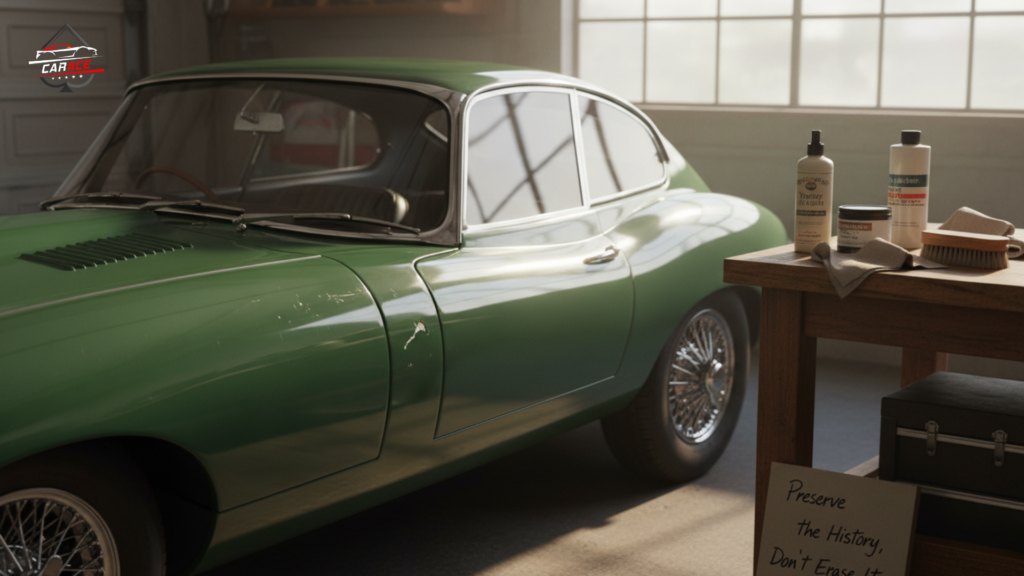
The “Classic Restoration” Mindset: Preservation Over Perfection
Embracing the “Classic Restoration” mindset means understanding that a vintage car’s slight imperfections often tell a valuable part of its history. A chip here, a minor scratch there, or a subtle fade in the paint can be integral to its unique character and story. The goal is not to eradicate every sign of age but to clean, protect, and enhance its existing beauty while preserving its authenticity. This approach adds to the car’s mystique and value, rather than diminishing it by striving for an unattainable, modern showroom finish. It’s about maintaining the car’s integrity as a historical artifact.
Why Professional Vintage Car Detailing Noida Matters
While a passionate owner can handle basic maintenance, truly specialized Vintage Car Detailing Noida, especially tasks involving Sensitive Paint correction or complex Chrome Polishing, often requires professional expertise.
- Expertise and Experience: Professional detailers specializing in classic cars have extensive knowledge of historical materials, paint types, and the specific challenges they present. They understand the nuances of Classic Restoration.
- Specialized Tools and Products: Professionals invest in specific tools like paint thickness gauges, low-speed polishers, and an array of gentle, effective products tailored for vintage finishes.
- Risk Mitigation: Attempting advanced paint correction or deep cleaning on delicate materials without proper knowledge carries a high risk of irreversible damage. Professionals minimize this risk.
- Comprehensive Service: A dedicated service like Carace Detailing offers a holistic approach, addressing every aspect of your vehicle, from meticulous interior care to delicate engine bay cleaning, all under the umbrella of their profound understanding of Classic Restoration. We pride ourselves on preserving the unique character of each vehicle that comes into our care.
- Enhanced Value: Proper, gentle detailing not only keeps your classic car looking its best but also maintains and can even enhance its market value by preserving its originality and condition.
For owners in Noida and the surrounding regions, entrusting your cherished vehicle to a professional service like Carace Heritage ensures it receives the highest standard of care, reflecting a true dedication to preserving automotive heritage.
Conclusion
Detailing a classic vintage car is an act of love, a commitment to preserving automotive history. It requires a profound understanding of aged materials, an extremely gentle touch, and a philosophy that prioritizes preservation over superficial perfection. From the delicate nature of Sensitive Paint to the intricate art of Chrome Polishing, every step must be executed with precision and respect. By embracing the principles of Classic Restoration and utilizing appropriate techniques and products, you can ensure your vintage car remains a stunning testament to its era. For unmatched expertise in Vintage Car Detailing Noida, choose a trusted partner like Carace Detailing, where passion meets precision in the meticulous care of your treasured classic.
Don’t let the fear of damage prevent your vintage beauty from shining. Contact Carace Detailing today for a personalized assessment and discover how our expert Vintage Car Detailing Noida services can meticulously restore and protect your classic vehicle, ensuring its legacy endures.
