 Skip to content
Why Luxury EV Owners Prefer PPF Over Ceramic Coatings
In the rapidly evolving world of automotive excellence, luxury electric vehicles (EVs) stand as a testament to innovation, performance, and sustainability. Brands like Tesla, BYD, Porsche, Mercedes-Benz, and Audi are redefining the driving experience with their sleek designs, cutting-edge technology, and silent power. For owners of these high-value machines, maintaining their pristine condition is not just about aesthetics; it’s about preserving a significant investment and upholding a statement of sophistication. When it comes to paint protection, two popular options often come to mind: Paint Protection Film (PPF) and ceramic coatings. While both offer benefits, there’s a growing consensus among discerning luxury EV owners, particularly in regions like Noida, that PPF is the superior choice.
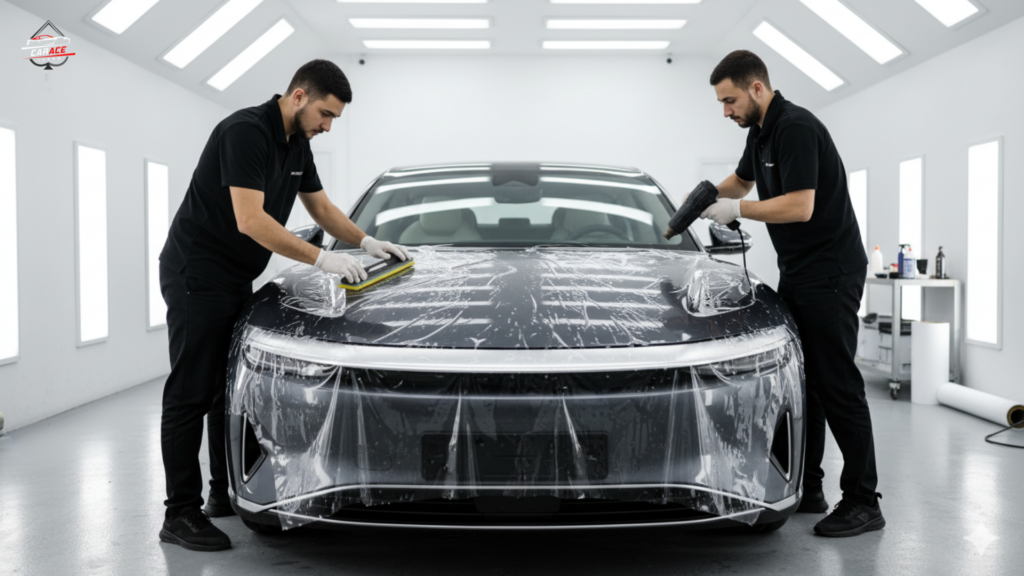
The Dawn of Electric Luxury: A New Era of Automotive Care
The allure of luxury EVs is undeniable. They represent the pinnacle of automotive engineering, combining blistering acceleration with whisper-quiet cabins and zero emissions. However, this advanced engineering often comes with unique challenges, especially concerning exterior preservation. The sophisticated paint finishes found on these vehicles are often more delicate and susceptible to the rigors of daily driving than those of traditional internal combustion engine (ICE) vehicles. This makes robust paint protection an absolute necessity, not just an accessory.
Consider the sleek lines of a Tesla Model S or the futuristic elegance of a BYD Seal. Every curve and panel is designed to captivate. Protecting these intricate designs from road debris, environmental contaminants, and minor abrasions is paramount. This is where the choice between PPF and ceramic coatings becomes critical, and why services like Carace Care specialize in delivering premium solutions tailored for these exceptional vehicles.
Understanding Paint Protection Film (PPF): The Unseen Guardian
Paint Protection Film, often referred to as clear bra, is a thermoplastic urethane film applied to painted surfaces of a new or used car to protect the original paint from stone chips, scratches, bug splatters, and minor abrasions. It’s essentially a second skin for your vehicle, providing a robust, physical barrier.
The Science Behind PPF
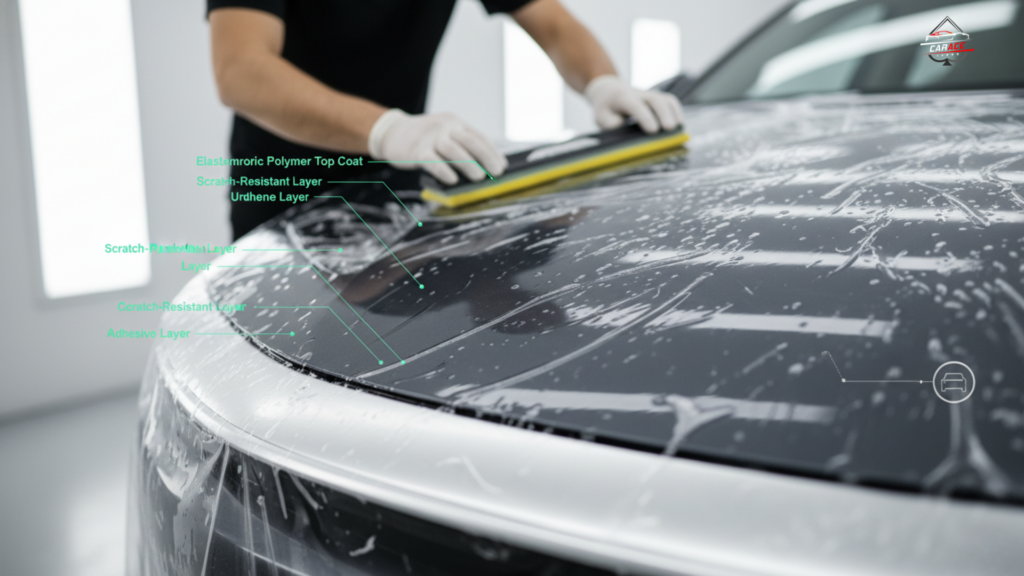
- Material Composition: Modern PPF is typically made from multiple layers of polyurethane, a robust polymer known for its elasticity, durability, and resistance to impact. High-quality films also incorporate a clear coat on top, often with self-healing properties.
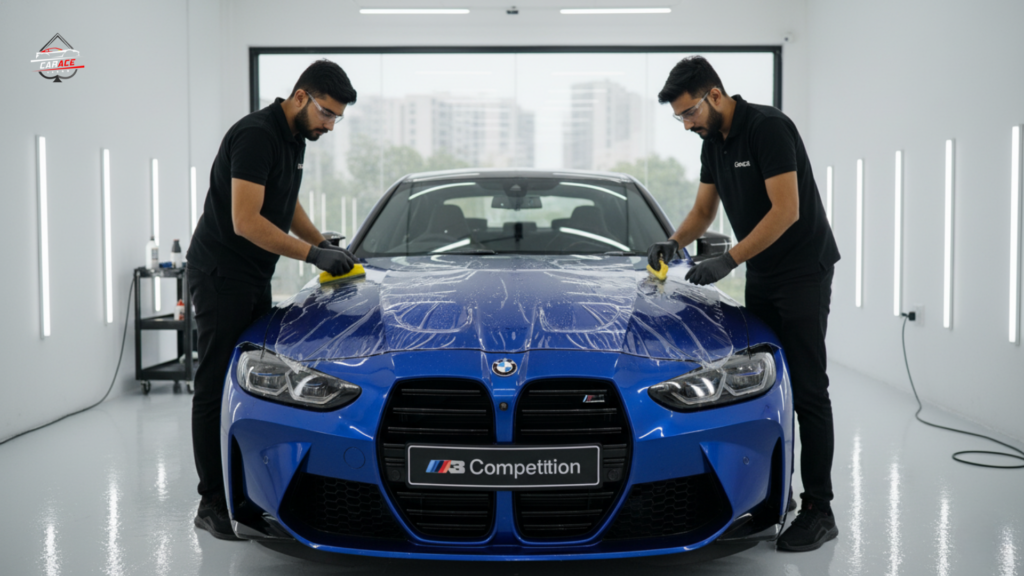
- Application: The film is meticulously applied by skilled technicians, stretching and conforming to the contours of the vehicle’s panels. This process requires precision, a dust-free environment, and specialized tools to ensure a seamless, bubble-free finish.
- Key Benefits:
- Superior Impact Resistance: PPF excels at absorbing the impact of road debris, pebbles, and small stones, preventing chips and deep scratches that would otherwise damage the paint.
- Self-Healing Properties: Many premium PPF brands feature a self-healing top layer. Minor scratches and swirl marks literally disappear when exposed to heat (from the sun or hot water), maintaining the film’s pristine appearance.
- UV Protection: It blocks harmful UV rays, preventing paint fade and oxidation, which is especially important for maintaining the vibrant finish of luxury EV paints.
- Stain Resistance: PPF acts as a barrier against chemical stains from bird droppings, insect acids, and mineral deposits.
- Enhanced Gloss or Matte Finish: While clear PPF enhances the paint’s natural gloss, specialized matte PPF can transform a glossy finish into a stunning satin look, offering unique customization options.
For luxury EV owners looking for comprehensive PPF for Electric Vehicles Noida, the appeal of this physical shield is undeniable. It’s about providing an almost impenetrable layer against the everyday hazards that threaten to diminish a vehicle’s aesthetic appeal and value.
Understanding Ceramic Coatings: The Invisible Shield
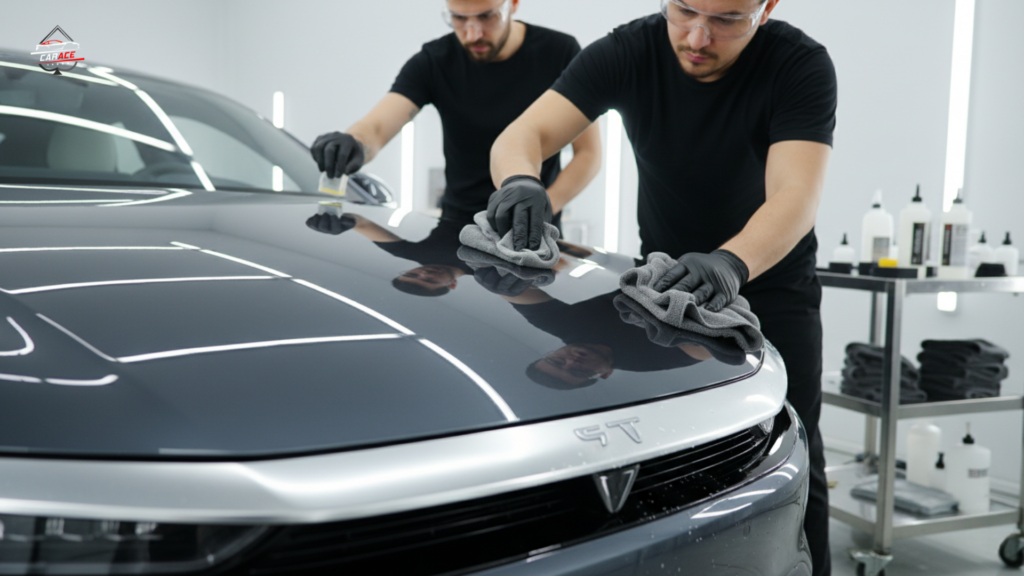
Ceramic coatings, also known as nano-coatings or glass coatings, are liquid polymer solutions that are hand-applied to a vehicle’s exterior. The coating chemically bonds with the factory paint, creating a semi-permanent, hydrophobic layer of protection.
The Chemistry of Ceramic Coatings
- Material Composition: These coatings are typically silicon dioxide (SiO2) based, often combined with other elements like titanium dioxide (TiO2), creating a hard, clear layer.
- Application: Applied as a liquid, it cures into a hard layer that is covalently bonded to the paint, meaning it becomes a part of the vehicle’s surface at a molecular level.
- Key Benefits:
- Hydrophobicity: The most celebrated feature is its extreme water-repelling property. Water beads up and rolls off, taking dirt and grime with it, making the car easier to clean.
- Enhanced Gloss: Ceramic coatings significantly boost the paint’s gloss and depth, making the color appear richer and more vibrant.
- Chemical Resistance: They offer excellent protection against chemical etching from environmental contaminants like bird droppings, acid rain, and road salts.
- UV Protection: Like PPF, ceramic coatings provide a strong barrier against UV radiation, helping to prevent paint oxidation and fading.
- Minor Scratch Resistance: While harder than clear coat, ceramic coatings offer limited protection against significant scratches or stone chips. They mostly protect against light swirl marks and marring from improper washing.
The Crucial Distinction: Why PPF Takes Precedence for Luxury EVs
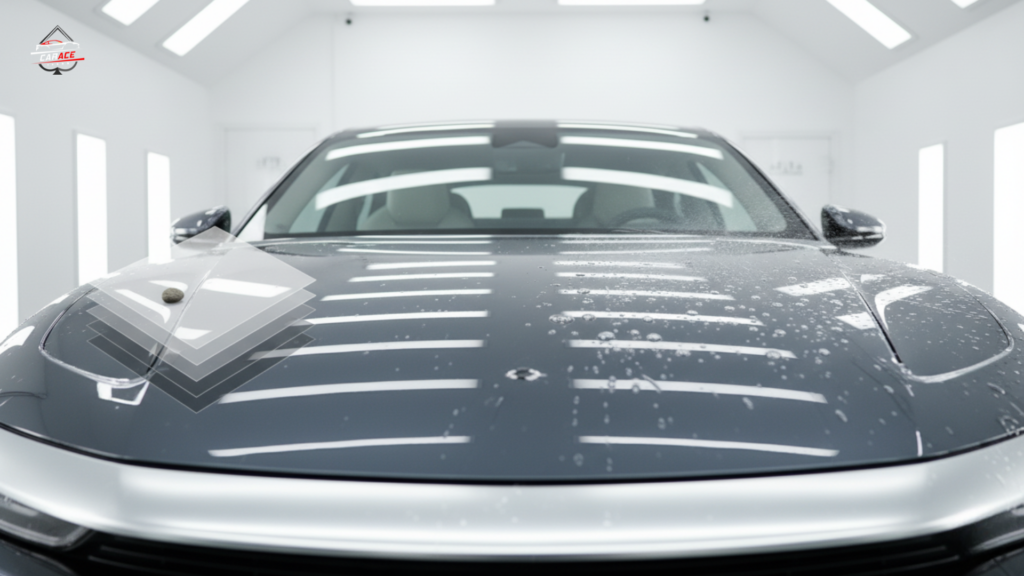
While both PPF and ceramic coatings enhance and protect a vehicle’s finish, their fundamental mechanisms of protection differ significantly. This difference is precisely why luxury EV owners, who prioritize ultimate preservation and value retention, lean towards PPF.
1. Physical Barrier vs. Chemical Bond: The Core Difference
The most critical distinction lies in their nature. PPF is a physical, sacrificial layer that sits atop the paint. It absorbs impacts and abrasions, acting like a shield. Ceramic coating is a chemical bond that hardens the existing clear coat, making it more resilient to chemical attacks and providing incredible hydrophobic properties.
For an expensive EV, facing the daily onslaught of urban driving – whether it’s the bustling streets of Noida or the highways across India – a physical barrier offers peace of mind that a chemical hardening simply cannot.
2. Unrivaled Impact and Abrasion Resistance
This is where PPF truly shines for luxury EVs.
- Stone Chips: The primary enemy of any car’s paint, especially on performance-oriented EVs, are stone chips. PPF’s thick, elastic nature can absorb and disperse the energy of impacts from small stones and road debris, preventing them from penetrating to the paint below. Ceramic coatings, while adding a thin layer of hardness, offer minimal protection against these high-impact incidents.
- Scratches and Swirl Marks: While ceramic coatings help prevent light swirl marks, they are not impervious to deeper scratches. PPF, particularly self-healing variants, can actually “repair” itself from light scratches, maintaining a flawless surface far longer.
- Road Grime and Scuffs: From minor parking lot scuffs to debris flicked up by other vehicles, PPF offers a robust defense against everyday wear and tear that ceramic coatings simply cannot match.
3. Self-Healing Properties: A Major Differentiator
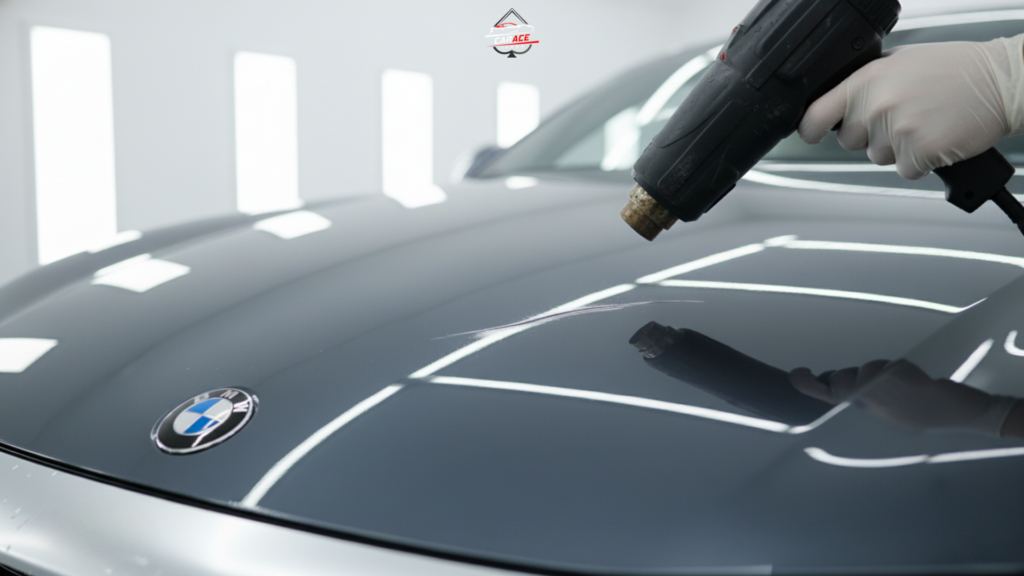
The self-healing capability of premium PPF is a feature often highlighted by professionals at Carace Luxury Care. Minor scratches, swirl marks from washing, or light abrasions on the film’s surface can literally disappear when exposed to warmth. This means the film, and by extension your car’s paint, looks perpetually new, significantly reducing the need for minor paint correction or polishing. Ceramic coatings do not possess this self-healing ability; once scratched, they remain scratched unless polished away.
4. Longevity and Durability
High-quality PPF typically comes with a warranty ranging from 5 to 10 years, ensuring long-term protection. During this period, the film maintains its clarity, protective qualities, and self-healing features. Ceramic coatings, while durable, typically last 2-5 years, depending on the product and maintenance. While ceramic coatings can be topped up, PPF offers a more robust, long-term “set and forget” solution for comprehensive protection.
5. Aesthetic Versatility: Gloss and Matte Options
Both options enhance the vehicle’s appearance. Ceramic coatings enhance the existing gloss. However, PPF offers an additional aesthetic choice: matte finish. Owners of luxury EVs can opt for clear gloss PPF to maintain their car’s original shine or choose matte PPF to transform their vehicle into a head-turning satin finish, all while benefiting from superior protection. This customization option is a significant draw for luxury vehicle owners seeking unique aesthetics without compromising protection.
The Unique Needs of Electric Vehicles: Why PPF is the Perfect Match
Luxury EVs are not just cars with electric motors; they are sophisticated machines with distinct characteristics that influence their protection needs.
1. Preserving Advanced Paint Finishes
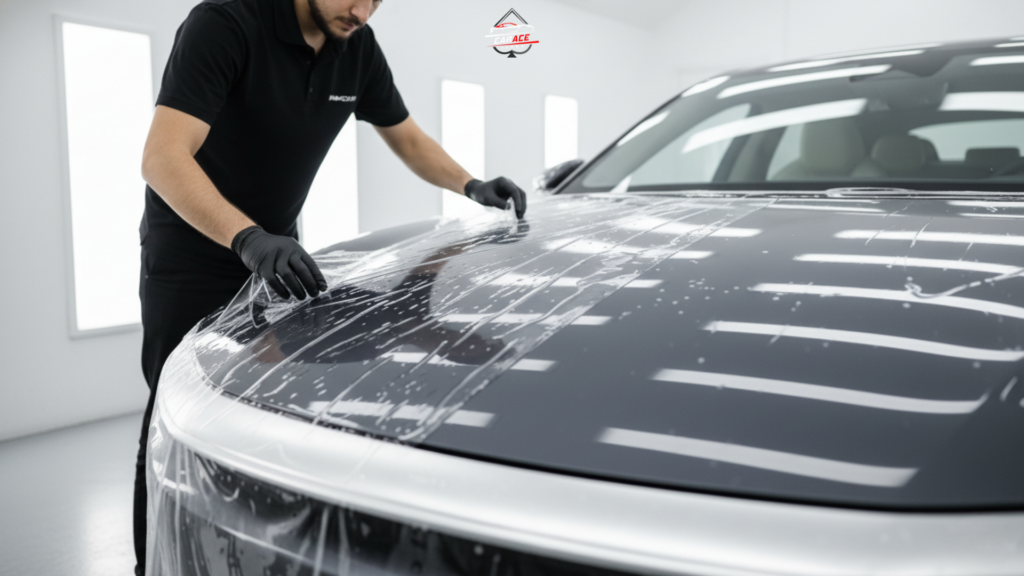
Many luxury EVs feature bespoke, multi-stage paint finishes that are incredibly expensive to repair or repaint. Protecting these unique finishes from the outset is far more economical and effective than dealing with damage later. PPF acts as an invisible shield, preserving the original factory paint indefinitely.
2. Maintaining Resale Value
A car’s exterior condition plays a significant role in its resale value. For high-end EVs, even minor paint imperfections can drastically reduce its market appeal. PPF ensures the paint remains factory-fresh, significantly contributing to a higher resale value when the time comes to upgrade.
3. Aerodynamics and Performance
The smooth, unblemished surfaces of an EV are integral to its aerodynamic efficiency, which directly impacts range. PPF, when expertly installed, is virtually invisible and doesn’t disrupt the vehicle’s design or airflow, maintaining optimal performance and range.
4. Protecting Against Specific EV Road Hazards
EVs, especially those with high torque, can kick up more road debris. The quiet nature of EVs also means small impacts from stones can seem more pronounced to the driver, highlighting the importance of a robust physical barrier.
PPF for Electric Vehicles Noida: A Local Imperative
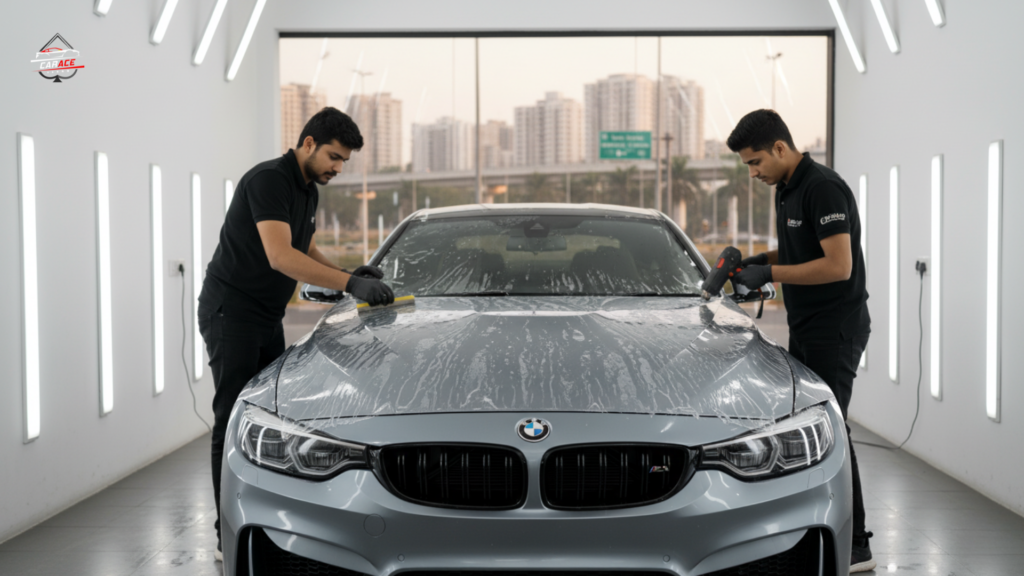
The environment in bustling cities like Noida presents unique challenges for car paint.
- Traffic Congestion: Increases the likelihood of minor bumps and scrapes.
- Construction and Dust: Constant construction activities mean more airborne debris, dust, and potential for scratches.
- Road Conditions: Varied road surfaces can lead to increased stone chips and other forms of damage.
- Temperature Fluctuations: While less direct impact, the film’s durability helps withstand environmental stress.
In such conditions, relying on a purely chemical layer often proves insufficient. The robust physical protection offered by PPF for Electric Vehicles Noida is not just a luxury; it’s a practical necessity to keep your investment looking its best. Local experts understand these challenges and apply the film with meticulous care to ensure maximum coverage and protection against the specific rigors of the Noida environment.
Tesla Detailing India and BYD Protection: Brand-Specific Expertise
Each luxury EV brand has its own characteristics, and expert protection services understand this.
Tesla Detailing India
Tesla vehicles, while revolutionary, are often noted for having paintwork that can be softer or thinner in certain areas compared to traditional luxury marques. This makes them particularly susceptible to swirl marks and stone chips. For Tesla Detailing India, applying a high-quality PPF is almost non-negotiable for owners who want to maintain that iconic Tesla aesthetic. The precision required for applying PPF to Tesla’s complex body panels, especially around sensor arrays and door handles, demands specialized skill and experience.
BYD Protection
BYD is rapidly expanding its presence globally, bringing innovative designs and competitive technology to the luxury EV market. Protecting a BYD vehicle ensures its cutting-edge design and vibrant paintwork remain immaculate. Whether it’s the sleek BYD Seal or the robust BYD Atto 3, a tailored BYD Protection plan centered around PPF guarantees long-term preservation against environmental and road hazards, securing the vehicle’s aesthetic integrity and value.
The Role of Professional Installation: The Carace Luxury Care Difference
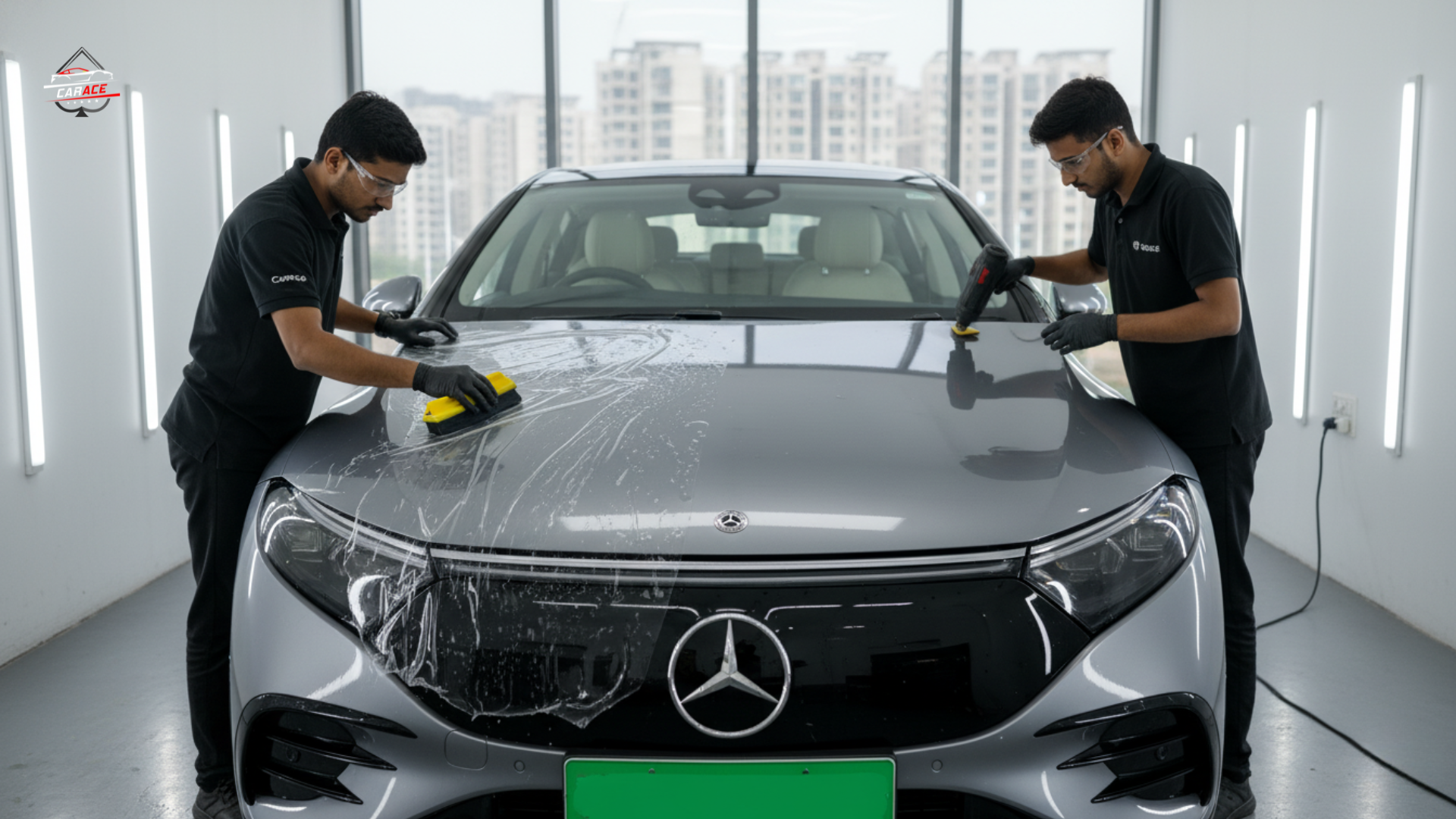
The quality of PPF protection is only as good as its installation. This is not a DIY project for a luxury EV.
- Expert Technicians: Professional installers possess the training, experience, and specialized tools to apply PPF seamlessly, without bubbles, lifting edges, or visible seams.
- Dust-Free Environment: A clean, controlled environment is crucial to prevent dust and debris from getting trapped under the film, which can compromise adhesion and aesthetics.
- Precision Cutting: Custom-cut kits, often using computer-aided design (CAD) patterns specific to each make and model, ensure perfect fitment and coverage without unnecessary cutting on the vehicle itself.
- Warranty and Support: Reputable installers, like those at Carace Detailing, offer warranties on both the film and the installation, providing peace of mind.
Investing in a luxury EV demands investing in professional protection. A poorly installed PPF can detract from your vehicle’s appearance and fail to provide adequate protection, making the initial saving a costly mistake in the long run.
Beyond PPF: A Holistic Approach to EV Maintenance
While PPF is the cornerstone of exterior protection, comprehensive EV Maintenance involves more than just paint care. A holistic approach ensures your luxury EV remains in peak condition, inside and out.
- Interior Detailing: Maintaining the premium materials and advanced technology within the cabin, from leather upholstery to touchscreens, is essential for a complete luxury experience.
- Wheel and Tire Care: EV wheels are often designed for aerodynamics and can be susceptible to brake dust and road grime. Proper cleaning and protection preserve their finish.
- Glass Protection: Specialized coatings for windshields and windows enhance visibility and repel water.
- Regular Washing: Even with PPF, regular, proper washing techniques are vital to remove surface contaminants and maintain the film’s performance.
By combining superior exterior protection with meticulous internal and functional care, luxury EV owners ensure their vehicles offer an unparalleled experience for years to come.
Conclusion: PPF Reigns Supreme for Luxury EV Protection
For luxury EV owners, the decision between Paint Protection Film and ceramic coating is clear: PPF offers an unparalleled level of physical protection that ceramic coatings simply cannot match. While ceramic coatings provide excellent hydrophobic properties and chemical resistance, they fall short in defending against the impacts, abrasions, and deep scratches that are the primary threats to an EV’s expensive and pristine paintwork.
The self-healing capabilities, long-term durability, and robust physical barrier of PPF make it the ultimate choice for preserving the aesthetic integrity and resale value of your Tesla, BYD, or any other high-end electric vehicle. In challenging environments like Noida, where luxury EVs navigate a dynamic urban landscape, PPF is not just an enhancement; it’s a vital investment.
At Carace Detailing, we understand the distinct needs of luxury EV owners and offer expert PPF installation. Trust our specialists to safeguard your investment with precision and unparalleled quality.
Ready to provide your luxury EV with the ultimate defense it deserves? Don’t compromise on protection for your valuable asset. Contact Carace detailing today to learn more about our premium Paint Protection Film services and schedule a consultation for your electric vehicle. Protect your investment, preserve its beauty, and enjoy peace of mind on every journey.
